
ETQ Reliance Quality Intelligence
This Week in Quality – December 8, 2025
President Trump approved Nvidia H200 chip exports to China with a 25% surcharge, reversing Biden-era restrictions. Caterpillar and Cummins each project $1.5 billion revenue growth from data center generator sales. Mars secured European Commission approval for its $36 billion Kellanova acquisition combining nine billion-dollar brands.
Trump Approves Nvidia H200 Chip Exports to China with 25% Surcharge
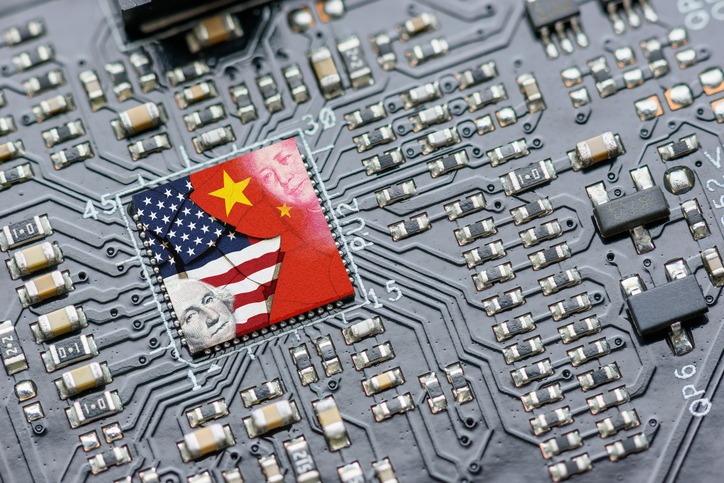
President Donald Trump authorized Nvidia to export H200 AI chips to approved customers in China and other countries under a 25% revenue surcharge agreement, marking a policy reversal from Biden administration export restrictions. The decision announced December 8, 2025 allows shipments to vetted commercial customers through the Commerce Department and excludes more advanced Blackwell and Rubin chips from the arrangement.
The authorization faces Congressional opposition through the bipartisan SAFE Chips Act introduced December 4, which would block advanced AI chip exports to China for 30 months. Trump stated Chinese President Xi Jinping responded positively to the export decision and emphasized national security conditions remain in force, while national security experts warn the policy could accelerate China’s military modernization and erode America’s AI advantage.
Caterpillar and Cummins Project $1.5 Billion Revenue Growth from Data Centers
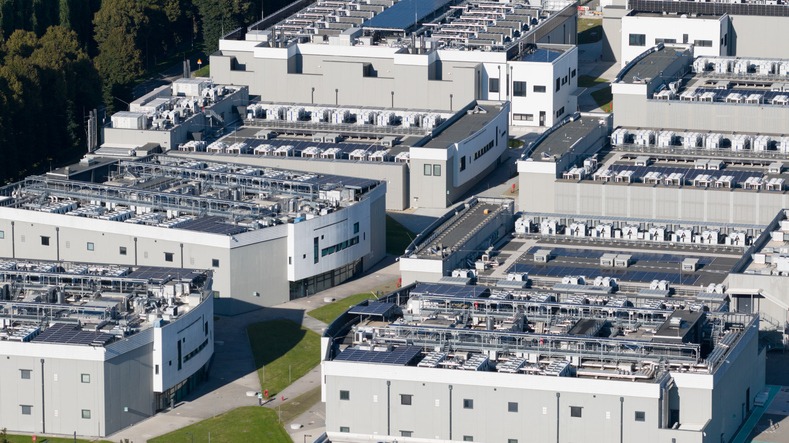
UBS projects Caterpillar and Cummins will each achieve approximately $1.5 billion revenue growth over the next three years from backup generator sales to power U.S. data centers as revenue for that business could nearly double from current levels. The data center generator market valued at $1.3 billion in 2025 is projected to reach $9.59 billion by 2031 and some forecasts predict growth to nearly $20 billion by 2030 driven by AI workloads and cloud computing expansion.
Caterpillar’s energy and transportation segment surpassed its construction business for the first time in 2024 with $28.9 billion in annual revenues versus $25.5 billion for construction industries, while company shares gained 45% in 2025 and Cummins shares rose 20%. Caterpillar reported a 19% jump in Power Systems revenue in Q1 2025 attributed to AI-driven data center orders and deployed generator sets ranging from 2.5 megawatts to 38-megawatt gas turbines across facilities requiring 125 megawatts or more of backup power capacity.
Mars Secures $36 Billion Kellanova Acquisition with European Commission Approval

Mars received unconditional approval from the European Commission on December 8, 2025 for its $36 billion acquisition of Kellanova, satisfying the final of 28 required global regulatory approvals and clearing the transaction to close December 11, 2025 subject to customary closing conditions. The merger combines Kellanova brands including Pringles, Cheez-It, Pop-Tarts, Rice Krispies Treats and Kellogg’s international cereals with Mars Snacking brands including Snickers, M&M’s, Twix and Skittles to form a portfolio with nine billion-dollar brands.
The combined entity expects to generate approximately $36 billion in annual revenues and will operate in more than 145 markets with over 50,000 employees and 80 global production facilities headquartered in Chicago. The European Commission’s investigation confirmed both companies enjoy market power in several product categories across multiple member states but concluded the transaction would not increase Mars’ bargaining power with retailers or lead to higher consumer prices, with shareholders receiving $83.50 in cash per share of Kellanova common stock.
Industrial AI Adoption Accelerates as Quality Challenges Intensify for Manufacturers
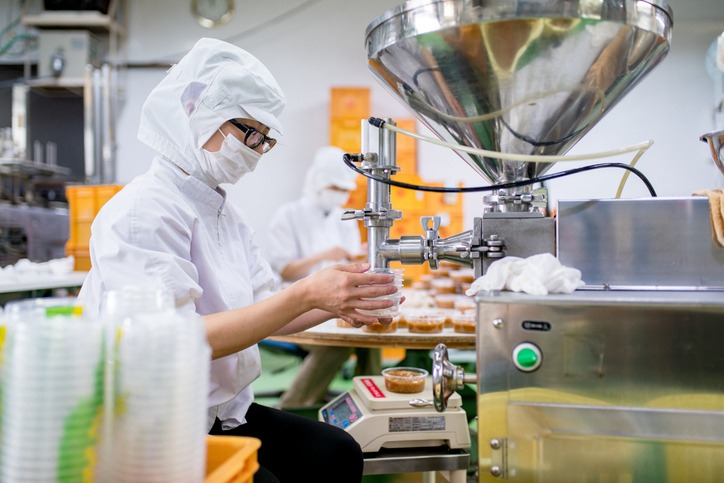
A 2025 report found nearly one-third of manufacturing leaders identify quality, yield and throughput as their top production challenges while 36% are considering generative AI for quality control and defect detection as labor shortages and supply chain volatility intensify operational pressures. The manufacturing sector requires six million new workers by 2033 for core infrastructure roles and faces accelerating retirements of experienced operators, creating workforce gaps that contribute to reduced consistency in production quality and increased defect rates.
Poor production quality generated 40 million tons of food waste in 2019 from food and beverage manufacturing and processing sectors and contributed to drug shortages reaching an all-time high of 323 active shortages during the first quarter of 2024. Industrial AI implementations enable workers to identify and correct machine malfunctions in real time before quality degradation occurs, with manufacturers using predictive maintenance insights to reduce waste from defective products and maintain production consistency while meeting growing consumer demand for domestically manufactured goods.
Next-Generation Supply Chain Leaders Will Define Human-AI Collaboration Success

According to an article on Inbound Logistics, the next generation of procurement and supply chain work will be defined by how effectively humans and AI collaborate as AI agents assume routine execution tasks and free professionals to focus on strategic thinking and cross-functional initiatives. Category managers are shifting from managing purchases to co-creating solutions with suppliers that drive growth and sustainability, requiring teams to develop skills in interpreting data, guiding agentic automation and connecting insights across business functions.
Success in the evolving supply chain workforce demands combining technical fluency with curiosity, creativity and judgment to create operations that are faster, smarter and more innovative. Industry leaders emphasize that approaching AI with curiosity and enthusiasm requires repetitions to achieve proficiency, while treating AI as an incredibly resourceful yet overconfident colleague who tends to be 60% accurate and 100% confident, necessitating human oversight and strategic decision-making to maximize the technology’s value.